

Understanding Your Land Rover Dashboard Warning Lights
From engine alerts to tyre pressure warnings, discover what your dashboard is trying to tell you.
Book a Service or MOTWhat Do Land Rover Warning Lights Mean?
Understanding your Land Rover's warning lights is essential for keeping your vehicle running safely and efficiently. Modern Land Rover models are fitted with a range of dashboard indicators designed to alert you to potential issues, from routine maintenance reminders to more serious faults requiring immediate attention.
While some warning lights simply indicate that a feature is active, others signal problems that should be addressed as soon as possible. Knowing the difference can help you avoid unnecessary damage, breakdowns, and costly repairs.

Understanding Warning Light Colours
Most Land Rover warning lights fall into one of three colour categories:
Red Warning Lights
Red warning lights indicate a serious issue that requires immediate attention. If a red warning light appears, you should stop the vehicle when it is safe to do so and investigate the cause or contact your nearest Group 1 Land Rover retailer for assistance.
Amber or Yellow Warning Lights
Amber warning lights highlight a fault or system issue that should be checked soon. While you can often continue driving cautiously, you should arrange an inspection at your earliest convenience.
Green, Blue, or White Indicator Lights
These lights generally indicate that a system or feature is active, such as headlights, cruise control, or driver assistance functions. They do not usually signify a fault.
Find out more about each symbol below.
Common Land Rover Warning Lights
Below are some of the most frequently seen warning lights in Land Rover vehicles and what they mean.

Common Warning Lights Explained:
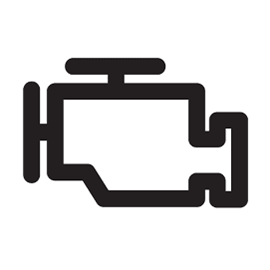
Also known as the check engine light, this warning can indicate a variety of engine or emissions-related issues. The cause may range from a loose fuel filler cap to a more significant fault within the engine management system.
If the light remains illuminated, arrange a diagnostic inspection. If it flashes, reduce speed and seek assistance as soon as possible.
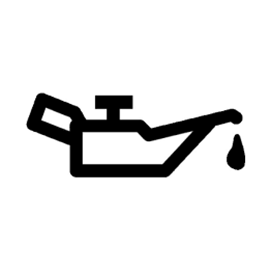
This warning indicates low engine oil pressure. Continuing to drive with insufficient oil pressure can cause severe engine damage.
You should stop the vehicle as soon as it is safe to do so and switch off the engine. Check oil levels and seek professional advice before driving further.

A battery warning light may indicate a problem with the charging system, battery, alternator, or associated electrical components.
If this light appears while driving, your vehicle may continue running for a limited time before battery power is depleted.

This warning may indicate low brake fluid levels, worn brake components, or an issue with the braking system.
As braking performance could be affected, arrange an inspection immediately.
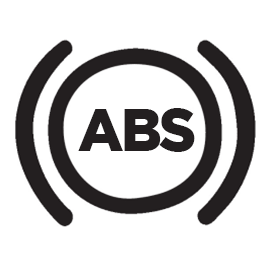
The Anti-lock Braking System (ABS) helps maintain steering control under heavy braking. If this warning light remains illuminated, the ABS system may not function correctly, although normal braking may still be available.
This warning indicates that the engine is overheating.
You should stop when safe, allow the engine to cool, and check coolant levels. Continuing to drive may result in significant engine damage.
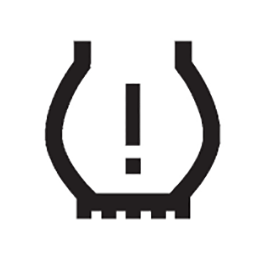
The TPMS light indicates that one or more tyres may be underinflated.
Check tyre pressures as soon as possible and inflate them to the manufacturer's recommended levels.

An airbag or Supplemental Restraint System (SRS) warning light suggests a fault within the vehicle's safety systems.
Have the system inspected promptly to ensure occupant protection systems remain operational.

This light may flash when the system is actively helping maintain traction. If it remains illuminated, there may be a fault with the stability control system.



Found on many diesel-powered Land Rover models, this warning indicates low AdBlue® levels or a potential emissions system issue.
Refilling the DEF tank promptly can help prevent driving restrictions on some vehicles.
If the Diesel Exhaust Fluid (DEF) warning lamp lights up amber, it means that the level of DEF is running low. The warning lamp also shows amber if the wrong fluid has been added to the system, or if there is a fault with the system.
If the DEF reservoir runs out completely, the car will stop rather than risk damaging the engine. The warning lamp illuminates red to warn the driver that the level of DEF is seriously low. It also comes on red if the incorrect fluid has been added to the system, or if there is a fault with the system.

This light indicates the status of the Lane Keeping Assist system. If an amber warning appears, it may signify that the system is unavailable or experiencing a fault.

An adaptive cruise control warning may indicate that sensors are obstructed or that a fault has been detected within the system.

Common on Land Rover vehicles, this warning relates to the Hill Descent Control system, which helps maintain a controlled speed on steep descents.
What Should You Do If a Warning Light Appears?
If a warning light appears on your dashboard:
- Safely assess whether the warning light is red, amber, or green.
- Consult your Land Rover owner's manual for model-specific guidance.
- Check basic items such as tyre pressures, fluid levels, or fuel cap security where appropriate.
- Do not ignore persistent warning lights.
- Contact a Land Rover specialist if you are unsure of the cause.
Arrange a professional diagnostic inspection for any warning light that remains illuminated. - Book a Land Rover Health Check with Group 1
If a warning light has appeared on your dashboard, our trained Land Rover technicians can quickly diagnose the issue using manufacturer-approved diagnostic equipment.
Whether it's an engine management fault, tyre pressure warning, battery issue, or servicing requirement, Group 1 Land Rover can help keep your vehicle operating at its best.
Book a service, vehicle health check, or diagnostic appointment with your local Group 1 Land Rover retailer today.
 New Land Rover Offers
View our selection of offers on new Land Rover cars at Group 1
View New Land Rover Offers
 Used Land Rover Cars For Sale
View our selection of used Land Rover cars at Group 1
View Used Land Rover Offers
 Land Rover Service and Repair
Land Rover Servicing Offers, MOTs, Repairs, Parts & Accessories
View Land Rover Servicing
